
The headlines keep repeating the same theme: creative AI platforms are throwing open their doors. When a major AIGC (AI-generated content) service announces free, fully open access alongside workflow tools for developers and enterprises, it signals something bigger than a single product launch. It marks the moment AI stops being a novelty and becomes infrastructure — a layer that teams plug into their daily operations.
For marketers and builders, the practical question is simple: what can you actually do with that infrastructure? One of the most underrated answers is the QR code. Not the static black-and-white square from a decade ago, but the modern dynamic QR code powered by AI design and real-time analytics. Platforms like Aiqrdream are built precisely for this intersection of creativity and measurable performance.
Why Open AIGC Workflows Matter for Everyday Businesses
When generative tools become freely accessible, the barrier to experimentation collapses. Small teams can prototype campaigns in hours instead of weeks. Developers can embed AI generation into internal tools without negotiating expensive contracts. Enterprises can standardize on workflows that scale across departments.
But access alone doesn't create results. The winners will be the teams that connect AI output to distribution and measurement. A beautiful visual is only half the job; you also need to know who scanned it, where they came from, and whether they converted. That's where a trackable QR code becomes the bridge between creative AI and business outcomes.
The Three Layers of a Modern AIGC Campaign
- Creation: Generative tools produce visuals, copy, and layouts at speed.
- Connection: A scannable entry point — often a QR code — links physical and digital touchpoints.
- Measurement: Analytics reveal engagement patterns so you can iterate fast.
Most coverage of the AIGC boom focuses on layer one. The real competitive advantage lives in layers two and three.
From Plain Squares to AI Art QR Codes
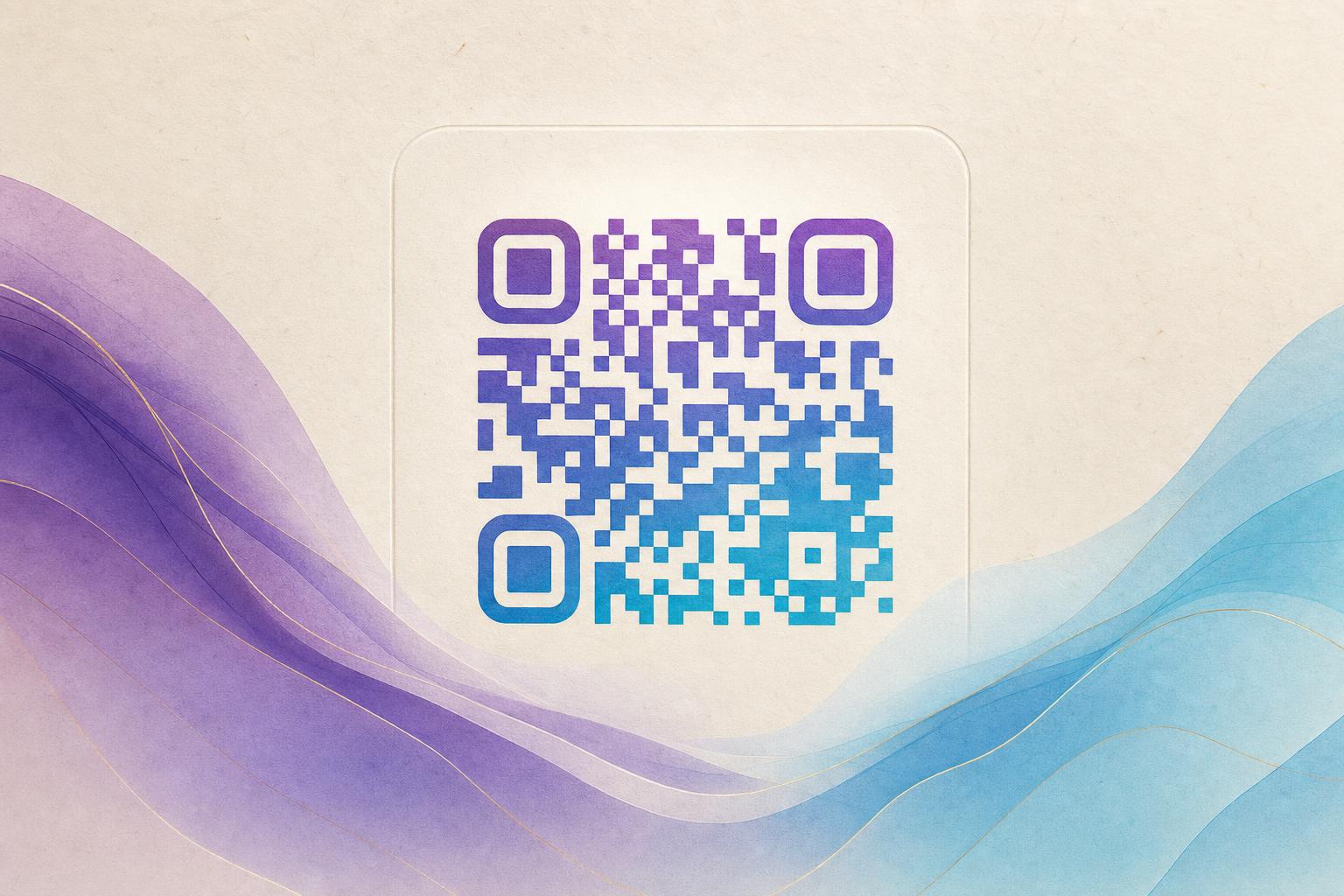
The visual quality of QR codes has changed dramatically. Designers used to treat them as a necessary evil — an ugly square slapped onto a poster at the last minute. Today, an AI QR code can be woven directly into artwork, product photography, or brand illustrations while remaining fully scannable.
This is the appeal of an artistic QR code: it doesn't interrupt the design, it becomes part of it. You can generate a styled QR code that matches your brand palette, or a circular QR code that fits neatly into a logo lockup. With AI-assisted generation, the machine handles the tricky error-correction balance so the code stays readable even after heavy stylization.
Design that people want to scan beats design that people have to scan.
Tools built for this purpose — often described as a QR code studio or QR design tool — let you beautify QR code assets in minutes rather than exporting to a separate graphics editor. If you want to explore the creative side, Aiqrdream's AI art QR features are a good starting point for producing campaign-ready visuals.
The Case for Dynamic, Editable Codes
Here's where many teams still get caught out. A static code is printed once and locked forever. If the destination URL changes, the code is dead. A dynamic QR code solves this by routing through a short link you control.
That single architectural choice unlocks a chain of benefits:
- Editable QR code destinations: Update the landing page without reprinting materials.
- Smart QR redirect: Send mobile users to an app store, desktop users to a web page, and regional visitors to localized content.
- Custom short link: Keep URLs clean, on-brand, and easy to say aloud in a video or podcast.
- Custom QR domain: Host redirects on your own domain to reinforce trust and QR branding.
- Live QR code updates: Pause, swap, or retire a campaign instantly.
For agencies running multiple clients, or enterprises managing hundreds of touchpoints, the ability to keep a live QR code current is not a nice-to-have. It's operational hygiene.
Membership QR and Scan-to-Redirect Flows
One pattern gaining traction is the membership QR — a personal code that identifies a user, unlocks gated content, or logs loyalty activity. Combined with scan to redirect logic, a single printed code can serve different audiences differently. A conference badge, for example, might route VIPs to a private briefing and general attendees to a public agenda, all from the same visual asset.
Analytics: The Part Most Campaigns Skip
Open AIGC platforms make it easy to produce more creative assets than ever. That volume makes measurement essential. Without QR analytics, you're guessing which poster, flyer, or packaging variant actually drove traffic.
A trackable QR code gives you scan counts by time, location, and device. You can compare an AI poster against a traditional layout, or test two AI hidden text treatments to see which draws more curiosity. For teams running QR code marketing at scale, this data turns creative intuition into a repeatable playbook.
Practical Tips for Getting Started
- Always test before you print. Scan your code on multiple devices and in low-light conditions.
- Keep contrast high. Artistic treatments are great, but ensure the code modules remain distinct from the background.
- Use one code per channel. Separate codes for print, social, and in-store give you clean attribution.
- Set up redirects before launch. Decide your fallback page in case a destination goes offline.
- Review analytics weekly. Small adjustments to placement often outperform big redesigns.
Design Tools That Fit the Workflow
The AIGC wave is also reshaping design tooling itself. An online poster maker or poster generator that understands QR placement saves hours of manual layout work. A QR code generator online experience should feel as smooth as any modern SaaS product — generate, style, test, publish, measure.
Aiqrdream brings these pieces together: an AI QR code generator, a dynamic QR code tool for editable destinations, and AI poster design features that help you build the whole campaign asset, not just the code. Whether you're a solo developer testing a side project or an enterprise team standardizing creative operations, the goal is the same — reduce friction between idea and measurable result.
The Takeaway
Open access to AIGC workflows is a genuine shift, but it's an enabler, not an outcome. The businesses that benefit most will be those that pair generative creativity with reliable distribution and honest measurement. A dynamic QR code is one of the simplest, most durable ways to do that.
If you're ready to move from plain squares to QR design tool territory, start with a free trial, generate a styled QR code, and watch your first week of QR analytics come in. You can begin at Aiqrdream — and see how far an AI-assisted workflow can take your next campaign.