
The academic world is buzzing with the news that thesis papers will now undergo AIGC (AI-Generated Content) detection. This move, reported by Sina Finance, aims to uphold academic integrity by flagging content produced by artificial intelligence. But as AI becomes increasingly integrated into our daily lives, where should we draw the line between assistance and authorship? This article delves into the nuances of AIGC detection, the challenges it poses, and how students and professionals can adapt. We'll also touch on how AI tools, like those offered by Aiqrdream, can be used creatively and ethically outside the classroom.
What is AIGC and Why Does It Matter?
AIGC refers to content generated by AI models, such as text, images, or code. With the rise of large language models like ChatGPT, students can easily generate essays, summaries, or even entire research papers. While this can boost productivity, it raises concerns about originality and learning outcomes. Universities are responding by deploying detection tools that analyze text patterns to estimate the likelihood of AI involvement. The goal isn't to ban AI but to ensure that students develop critical thinking and writing skills.
How AIGC Detection Works
Detection tools typically look for statistical anomalies, such as low perplexity (predictability) and burstiness (variation in sentence structure). They compare the text against known AI-generated patterns. However, these tools are not foolproof; they can produce false positives and negatives. This has led to debates about fairness and the need for clear guidelines.
The Limitations of Detection
No detector is 100% accurate. Human writing can sometimes appear AI-like, especially in technical fields. Conversely, AI can be prompted to mimic human style. This cat-and-mouse game makes strict enforcement challenging. Instead, educators are encouraged to focus on the process: requiring drafts, outlines, and reflections to see how ideas evolve.
Defining the Boundaries: What's Acceptable?
The key question is: what constitutes acceptable AI use? Here are some practical guidelines:
- Brainstorming and Idea Generation: Using AI to generate topic ideas or outlines is generally acceptable, as it's a starting point.
- Editing and Proofreading: AI can help polish grammar and style, but the core content should be your own.
- Data Analysis: AI can assist in crunching numbers or identifying patterns, but interpretation should be human-driven.
- Full Draft Generation: Submitting AI-generated text as your own is clearly off-limits.
Transparency is crucial. If you use AI, disclose it in an appendix or methodology section. This maintains trust and allows evaluators to assess your contribution.
Beyond Academia: AI in Creative and Professional Settings
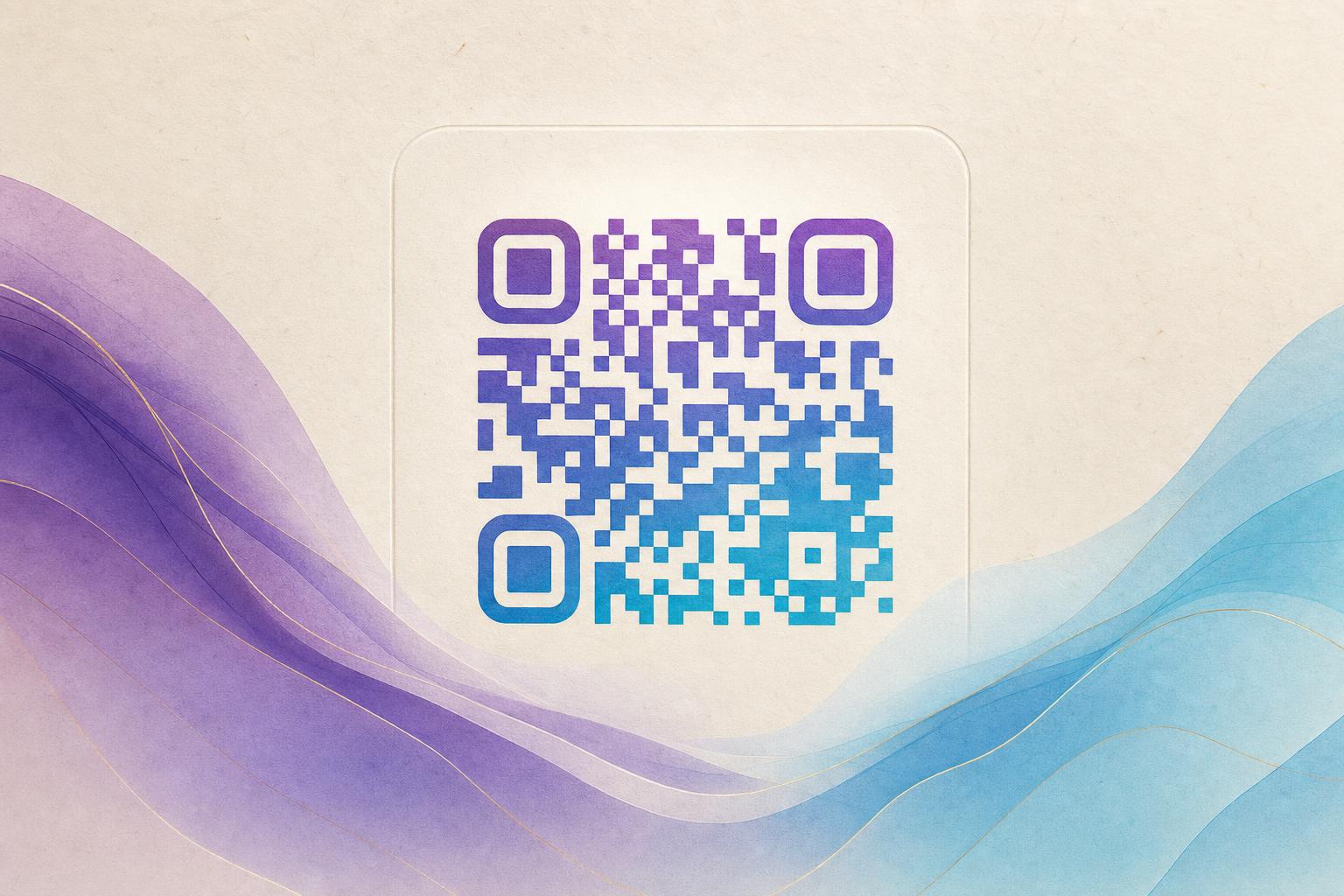
While academia tightens its rules, the professional world is embracing AI for creative tasks. For instance, AI QR code generators are revolutionizing marketing by turning mundane QR codes into works of art. These artistic QR codes can embed logos, images, or even hidden text art, making them scannable and visually appealing. Aiqrdream, for example, offers an AI QR code tool that lets you beautify QR code designs for campaigns, business cards, or social media. Unlike academic writing, where originality is paramount, marketing thrives on innovation and AI can be a powerful ally.
How to Use AI Ethically in Marketing
When using AI for marketing, the boundaries are different. You're not claiming AI as your own; you're leveraging it to enhance creativity. Tools like dynamic QR code online platforms allow you to create editable QR code that can be updated after printing, track scans with QR analytics, and redirect users to custom landing pages. This is a game-changer for QR code marketing. With Aiqrdream, you can generate a circular QR code that blends seamlessly with your brand, or use a circular QR code generator to create unique designs. The best part? You can start with a circular QR code free trial to test the waters.
Practical Tips for Students Navigating AIGC Policies
- Read Your Institution's Guidelines: Policies vary widely. Know what's allowed before you start.
- Keep Records: Save drafts, notes, and AI prompts to demonstrate your process.
- Use AI as a Tool, Not a Crutch: Focus on learning and original thinking.
- Cite AI Assistance: If you use AI for editing or brainstorming, mention it in your acknowledgments.
- Develop Your Voice: The best defense against detection is authentic, well-reasoned writing.
The Future of AI and Academic Integrity
As AI evolves, so will detection methods and policies. The conversation should shift from policing to pedagogy: teaching students how to use AI responsibly. This includes understanding biases, verifying information, and blending AI with human insight. The same principles apply in the workplace, where AI is a collaborator rather than a replacement.
Embracing AI Creatively with Aiqrdream
For those in marketing, design, or entrepreneurship, AI opens up a world of possibilities. Aiqrdream's suite of tools includes an AI poster generator, online poster maker, and QR code studio that can help you create stunning visuals. Imagine designing an AI poster design for your next event, complete with a trackable QR code that leads to a custom short link or custom QR domain. You can even use AI hidden text to embed messages within the artwork. These are not just gimmicks; they drive engagement and provide valuable QR analytics.
"AI is not here to replace human creativity; it's here to amplify it. The key is to use it wisely and transparently."
Whether you're a student writing a thesis or a marketer designing a campaign, the ethical use of AI boils down to honesty and added value. In academia, that means original thought and proper attribution. In marketing, it means creating something remarkable that resonates with your audience. Tools like Aiqrdream make it easy to beautify QR code and AI art QR designs, but the strategy and message must come from you.
As we navigate this new frontier, let's embrace AI as a tool for enhancement, not deception. And if you're ready to explore the creative side of AI, consider giving Aiqrdream a try. From dynamic QR code solutions to AI QR code artistry, we're here to help you stand out—ethically and creatively.