
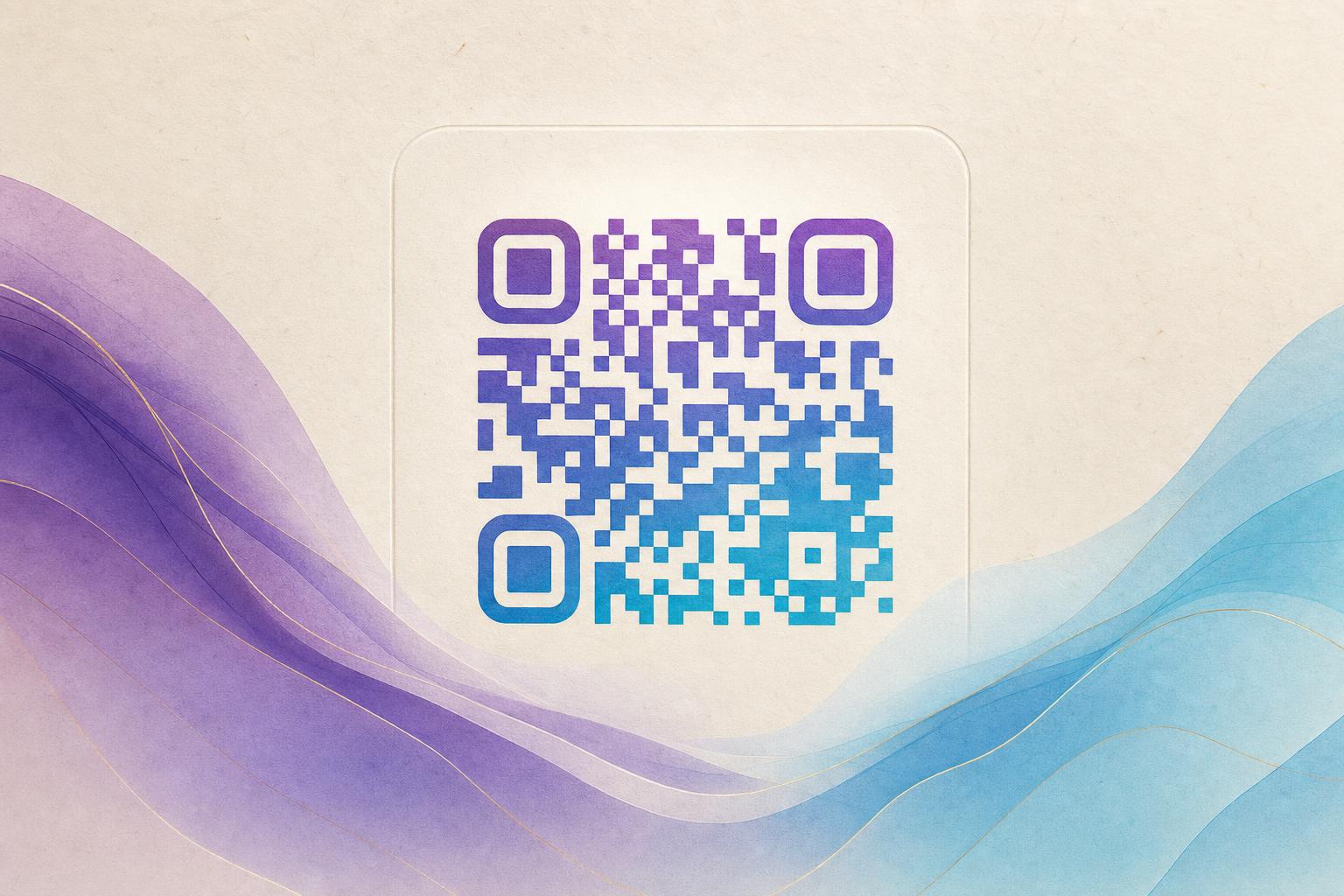
Print advertising is having a quiet renaissance, and the reason is not paper. It is the bridge between a physical page and a digital destination. In 2026, a billboard, a magazine spread, or a flyer is only as strong as the code that connects it to a landing page, a video, a menu, or a checkout. That is why searches for the best free QR code generators keep climbing, and why the conversation has shifted from basic black squares to a circular QR code, a styled QR code, and even a full AI art QR.
If you are planning a print campaign this year, the tool you choose matters more than most marketers expect. A code that looks like an afterthought can drag down a beautiful layout. A code that is designed, branded, and trackable can become the most valuable square inch of the page.
Why Free QR Code Generators Are Suddenly a Design Decision
For years, generating a QR code was a utility task: paste a URL, download a PNG, move on. Then two things changed at once. First, phone cameras became fast and forgiving, which means codes can now carry more visual complexity without failing to scan. Second, audiences became visually literate. A generic code in the middle of a premium magazine ad reads as cheap, while a QR branding treatment that matches the campaign palette reads as intentional.
That shift explains the rise of the QR code studio model. Instead of a single-purpose utility, modern platforms combine a QR code generator with design controls, analytics, and redirect logic. The free tier is no longer just a trial; it is often enough to run a real campaign.
What the Best Free Tools Get Right in 2026
After reviewing the category, a few capabilities separate the tools worth using from the ones that waste your time.
- Design flexibility. The ability to produce a circular QR code, rounded modules, custom eyes, and brand colors without breaking scan reliability.
- Dynamic destinations. A dynamic QR code lets you change the landing page after the billboard is printed. This is non-negotiable for long-flight print.
- Analytics. A trackable QR code tells you which magazine, which city, and which placement actually drove scans.
- Artistic options. An ai art qr code generator can blend a code into an illustration, a photo, or a texture so it feels native to the creative.
- Ownership. A custom QR domain and custom short link keep the experience on-brand instead of sending users to a random redirect.
Print, Billboards, and Magazines Each Need a Different Code
Billboards and transit ads
Distance is the enemy. On a highway billboard, the code must be enormous, high contrast, and simple. Skip fine detail and skip long URLs. Use a custom short link so the encoded string stays short, which allows larger modules and faster recognition. A live QR code that you can repoint mid-flight is extremely useful here, because a billboard contract often outlives the campaign it was built for.
Magazine and newspaper placements
Here you have the opposite problem: the code is small and surrounded by editorial content. This is where a styled QR code earns its keep. A circular QR code with a clean center logo can sit inside a column without looking like a printing error. If your magazine runs multiple insertions, use a separate campaign QR code per issue so your QR analytics can compare performance month over month.
Posters, packaging, and event signage
These are the best candidates for creative treatments. An artistic QR code can be woven into the poster artwork itself, turning the scan into part of the visual concept. This is also where a membership QR shines, letting people join a loyalty program or unlock a discount without typing anything.
How to Beautify a QR Code Without Breaking It
The single biggest mistake in QR design is sacrificing contrast for aesthetics. A few practical rules keep you safe:
- Keep the contrast ratio high. Dark modules on a light background always scan better than the reverse.
- Leave a quiet zone of empty space around the code. Crowding it with text or imagery is the fastest way to kill a scan.
- Test at the real size. Print a proof, tape it to a wall, and scan it from the distance your audience will actually stand.
- Use error correction wisely. Higher correction levels tolerate more artistic overlay, but they also make the code denser.
- Always test on both iOS and Android, and on at least one older device.
A QR code is a doorway. If the doorway is ugly, people walk past it. If it is beautiful but broken, they stop trusting your brand.
Where AI Changes the Game
The most interesting development in this category is the arrival of generative design. An ai art qr code generator can take a plain code and render it as a watercolor, a neon sign, a wood carving, or a piece of hidden text art. Instead of pasting a code onto a design, you generate the code as part of the design.
This is where Aiqrdream fits naturally into a print workflow. Rather than treating the code as a final technical step, Aiqrdream lets you build the creative and the code together, then manage the destination afterward. You can produce a circular QR code, apply QR branding that matches your campaign palette, and keep the destination editable so a printed asset never goes stale.
The same platform also covers the surrounding assets. An AI poster or AI poster design can be generated to match the code treatment, which matters when you are producing dozens of localized versions for different regions. For teams without a dedicated designer, an online poster maker combined with a QR code generator removes an entire handoff from the production timeline.
Choosing Between Free and Paid in 2026
Free tiers have become genuinely capable. You can usually create a circular qr code free, test an ai art qr code generator free tier, and run a small campaign without spending anything. The limitations tend to appear in three places: scan volume, dynamic redirects, and analytics depth.
If your campaign is a one-off flyer, free is fine. If you are buying magazine space or renting a billboard, the cost of a paid plan is trivial compared to the media spend, and the difference between a static code and an editable QR code can be the difference between a campaign you can optimize and one you cannot.
Practical Tips Before You Print
- Generate your code at the highest resolution available, then place it as a vector or large PNG.
- Never stretch a QR code non-uniformly. Scale it proportionally or regenerate it at the correct dimensions.
- Match the code's color to your brand, but verify contrast with a checker before sending to print.
- Use a smart QR redirect so you can send mobile users to an app store, desktop users to a landing page, and returning visitors to a loyalty offer.
- Add a short call to action near the code. "Scan to see the collection" outperforms a bare code every time.
- Check your QR analytics weekly during the first month and adjust the destination if engagement drops.
The Bottom Line
The best free QR code generator in 2026 is not the one with the longest feature list. It is the one that lets you create a code that looks like it belongs in your campaign, change the destination after printing, and measure what happened. Print ads, billboards, and magazine placements all reward that combination, because they are expensive, slow to produce, and impossible to edit once they are on press.
Start with a free tool, design a circular QR code or an artistic QR code that matches your brand, and treat the code as a creative asset rather than a technical afterthought. If you want to go further, explore the AI-powered design and QR tools at Aiqrdream and see how a QR code studio approach changes what your next print campaign can do.